
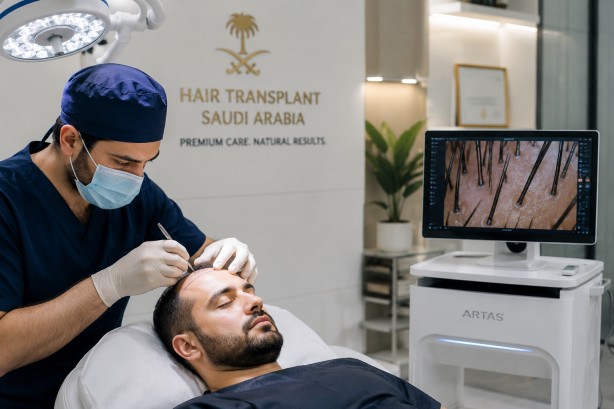
In Saudi Arabia, the landscape of hair restoration services is undergoing a transformation, as patients increasingly prioritize clinical proficiency and customized treatment plans over traditional luxury-driven marketing approaches. This shift in patient priorities is mirrored across the Gulf region, where there is growing awareness of the importance of factors such as hairline design, donor area management, and effective graft placement. According to industry experts, this marks a significant move towards more evidence-based and patient-focused aesthetic healthcare.
Patients are now demanding natural-looking outcomes, seeking procedures that not only integrate seamlessly with their existing hair but also conserve donor resources for future needs. This has led healthcare providers to emphasize transparent consultations and set realistic expectations, tailoring treatment strategies to each individual’s needs. Advanced techniques that highlight precision planning, tissue preservation, and careful graft handling are becoming increasingly popular as clinics strive to enhance patient results and minimize recovery periods.
Education has emerged as a crucial component of the hair restoration process, equipping patients with a better understanding of their procedure options, anticipated outcomes, and recovery timelines before they commit to a particular treatment. This educational focus helps patients make informed decisions, contributing to a more patient-centered approach to aesthetic healthcare.
As the demand for aesthetic procedures continues to rise in Saudi Arabia, the hair transplant sector is being redefined by an emphasis on clinical excellence, structured aftercare, and personalized treatment plans. This shift signifies a move away from reliance on promotional claims or luxury branding, towards a more substantive focus on quality and patient satisfaction. The evolution of hair restoration in the region underscores the broader trend of prioritizing lasting results and patient well-being in the field of aesthetic medicine.
Legal Disclaimer: The information contained in this article has been provided by independent third-party contributors, clients, or content partners. We do not independently verify the accuracy, completeness, legality, ownership, licensing, or reliability of submitted content, including text, images, videos, trademarks, or other media materials. The submitting party is solely responsible for ensuring that all content, including images and media assets, complies with applicable copyright, trademark, licensing, and intellectual property laws. We disclaim liability for any unauthorized use of copyrighted or proprietary materials by third parties. If you believe that any content published on this platform infringes your intellectual property rights, kindly contact the author above for prompt review and resolution.