
The escalating tensions between the United States and Iran have prompted a stern warning from Kristalina Georgieva, the director of the International Monetary Fund. She has cautioned that potential US military actions against Iran could severely harm global economic growth, primarily through their impact on energy markets. Speaking to Bloomberg TV, Georgieva underscored the IMF’s vigilance over oil prices, noting that a significant rise could trigger widespread “secondary and tertiary impacts” across the world economy, ultimately leading to a downgrade in global growth forecasts.
A critical factor in this grim outlook is the Iranian parliament’s recent vote to consider closing the Strait of Hormuz, a strategic waterway through which a fifth of the world’s oil consumption flows. This retaliatory move, directly linked to a US attack, carries the risk of an unprecedented oil supply shock, which would undoubtedly push up inflation and hinder economic expansion. While some experts remain skeptical about a complete shutdown, the threat itself is enough to cause significant market turmoil.
The oil market has already shown signs of volatility, with prices initially surging by over 5% on Sunday to a five-month high before retreating to just over $76 a barrel on Monday. However, the potential for far higher prices persists, with Goldman Sachs estimating oil could reach $110 a barrel if Hormuz flows are substantially reduced for an extended period, highlighting the extreme vulnerability of the global energy supply.
Amidst this geopolitical standoff, US Secretary of State Marco Rubio has forcefully stated that closing the strait would be “economic suicide” for Iran and has called upon China to exert its influence, given its considerable dependence on Hormuz for oil imports. Furthermore, analysts at RBC Capital Markets have advised against underestimating the risks, citing the potential for “energy attacks” from Iranian-backed militias and emphasizing the fluidity of the current situation.
IMF Chief’s Dire Warning: US-Iran Conflict’s Global Economic Fallout
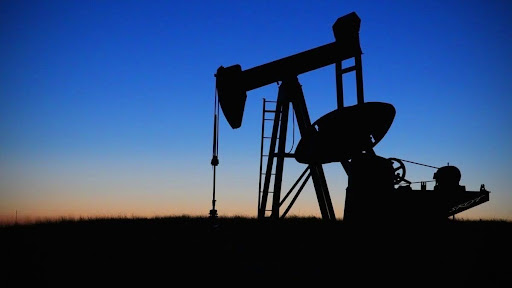
Picture credit: www.rawpixel.com
89