
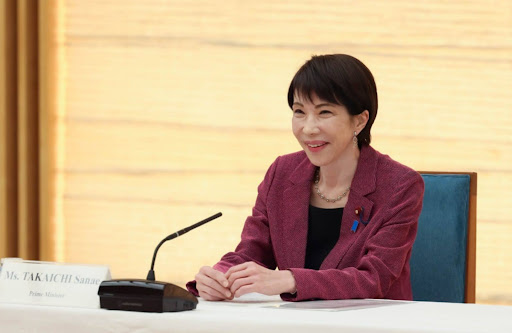
Japan, a resource-poor nation that has spent decades building world-class energy reserves precisely to guard against crises like the current one, has announced the biggest-ever drawdown of its strategic petroleum stocks. Prime Minister Sanae Takaichi confirmed that approximately 80 million barrels will be released to domestic refiners from Thursday, responding to the threat posed by the US-Israel conflict with Iran to oil tanker traffic through the Strait of Hormuz. The sheer scale of the deployment — 45 days of national consumption — underscores the gravity with which Tokyo views the situation.
Japan’s energy vulnerability is a defining feature of its economic geography. The country imports more than 90% of its crude oil from Middle Eastern suppliers, and the Strait of Hormuz is the funnel through which nearly all of this supply flows. The risk of a prolonged Hormuz closure is therefore an existential economic threat for Japan, one that the country has taken seriously since the traumatic oil shocks of the 1970s.
The current reserve deployment surpasses the previous record — set during the 2011 Fukushima nuclear disaster — by a factor of 1.8. Japan’s total reserves of approximately 470 million barrels provide a solid foundation for this intervention, with ample supply remaining even after the 80 million barrel release. Refiners are expected to absorb the released crude smoothly, helping to prevent any significant disruption to downstream fuel availability.
Government subsidies will hold gasoline prices at around ¥170 per litre, having been introduced after retail prices hit a record ¥190.8. Weekly reviews of the subsidy level will ensure that the program remains appropriately calibrated to market conditions. Officials are also monitoring food, energy, and household goods supply chains closely to head off any broader inflationary pressures from the crisis.
Japan’s diplomatic posture remains one of active engagement combined with constitutional restraint, with Takaichi declining military involvement in the Hormuz situation while pursuing vigorous international diplomacy. The prime minister has characterized the stability of the Middle East as a matter of deep concern for Japan and for the global community. Japan’s economic diplomacy and reserve management will be the defining instruments of its response to this crisis.