
Medical research continues revealing concerning statistics about metabolic liver disease. Data published at the beginning of this year demonstrates that approximately four in ten adults show signs of fatty liver driven by metabolic dysfunction. This silent epidemic, developing primarily from obesity and diabetes, progresses unnoticed in most cases, highlighting the urgent need for preventive dietary approaches.
Understanding how fatty liver develops clarifies why early nutritional intervention proves so valuable. The liver performs countless essential metabolic functions, serving as the body’s biochemical command center. When fat infiltration occurs, efficiency diminishes while inflammatory responses intensify. These inflammatory processes damage cellular structures, potentially evolving into permanent scarring that severely compromises liver function and overall health.
An expert in nutritional science with global health training has identified five specific foods offering remarkable liver protection and regenerative support. These evidence-based recommendations target fundamental mechanisms underlying liver disease progression. Each selection provides distinct benefits through anti-inflammatory effects, antioxidant properties, or enhancement of natural regenerative capabilities.
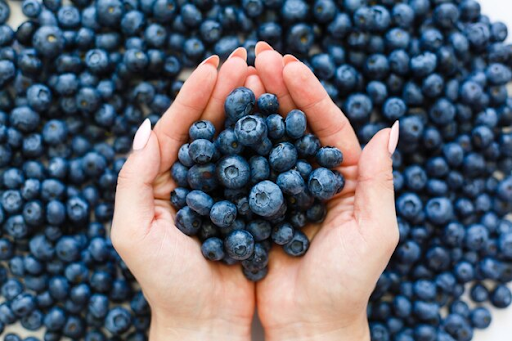
The recommended foods demonstrate various mechanisms of liver support and healing. Caffeinated beverages actively interfere with disease progression through multiple documented pathways. Colorful berries contain specialized molecules that reduce inflammatory responses within liver cells. Traditional remedies deliver concentrated vitamin C that minimizes oxidative damage, while certain foods support liver tissue repair and cellular regeneration through unique nutritional compounds.
Translating this knowledge into daily practice involves straightforward, accessible dietary modifications. The approach emphasizes consistent consumption of these beneficial foods through manageable habits. Whether selecting specific morning beverages, incorporating particular fruits into regular eating patterns, or cooking with certain traditional spices, these simple adjustments create sustainable practices that deliver meaningful liver health improvements when maintained over time.