
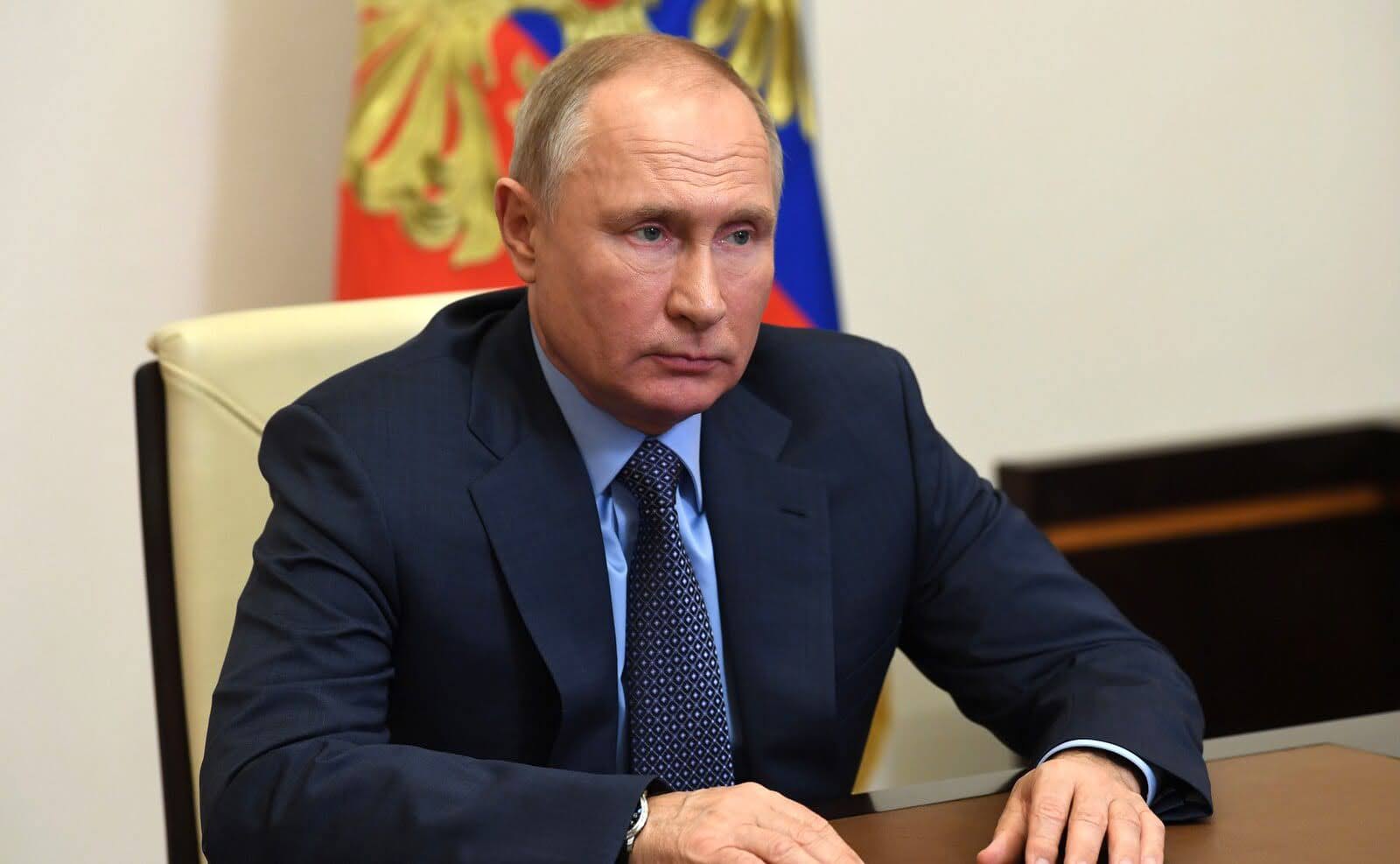
The global energy landscape is set to be reshaped as China and Russia solidify a massive long-term gas deal. Russian President Vladimir Putin met with his Chinese counterpart, Xi Jinping, in Beijing, with Putin praising their relationship as being at an “unprecedentedly high level.” Their discussions focused on strategic coordination and culminated in a landmark deal for the Power of Siberia 2 pipeline. This new agreement signals a major shift in Russia’s energy strategy and China’s energy security.
The centerpiece of this economic alliance is the Power of Siberia 2 pipeline. The two nations finalized a deal for the project, which will supply China with up to 50 billion cubic meters of natural gas annually for the next three decades. This massive energy deal is a cornerstone of their economic partnership, providing Russia with a crucial new market and securing China’s energy needs. It represents a significant strategic win for Moscow, ensuring long-term revenue streams and economic stability.
While the gas deal was a major highlight, the diplomatic buzz was palpable. Dozens of world leaders have converged on the Chinese capital, gathering for a grand military parade marking the 80th anniversary of the defeat of Japan in World War II. The diverse guest list, according to analysts, reflects a growing bloc of nations that are seeking to build alternatives to Western-led international institutions. This event is a clear signal of a shift in global power dynamics.
Adding to the diplomatic gravity, North Korean leader Kim Jong-un made a rare and significant international appearance. He arrived in the Chinese capital aboard his armored train, accompanied by his daughter, Kim Ju-ae, in her first ever trip abroad. This unprecedented move has sparked widespread speculation. A Kremlin aide’s suggestion that a meeting between Putin and Kim could be on the horizon only adds to the intrigue, hinting at a potential deepening of ties between Moscow and Pyongyang.
Beyond the bilateral agreements, a broader regional strategy is in play. Chinese President Xi Jinping underscored the importance of closer cooperation between China, Russia, and Mongolia, signaling a unified vision for regional stability and economic growth. The convergence of these leaders and the forging of these strategic ties represent a decisive shift in the geopolitical landscape, with lasting implications for global diplomacy and power dynamics.