
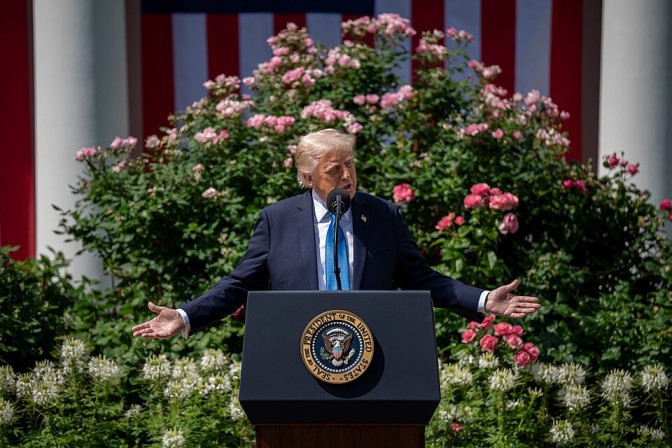
The ongoing negotiations between the United States and Iran aim to alleviate rising tensions, yet significant disagreements continue to challenge progress despite some optimistic developments. US President Donald Trump has oscillated between the threat of military action and hopes for diplomatic breakthroughs, contributing to global market uncertainty. However, recent indications of a potential peace agreement have had a calming effect on oil prices and investor anxiety.
Central to the discussions is a preliminary memorandum of understanding, which seeks to address immediate concerns such as the reopening of the Strait of Hormuz—a vital passage for international energy shipments. Meanwhile, more intricate issues, including the nuances of Iran’s nuclear program, are anticipated to be the focus of future talks.
Economic relief remains a pivotal point of contention. Iran is advocating for early access to some of its frozen assets abroad as a prerequisite to fulfilling major commitments. In contrast, the US is inclined to tie sanctions relief and financial advantages to demonstrable progress under any prospective agreement.
Another area of dispute involves nuclear restrictions. The US is pushing for stringent commitments concerning uranium enrichment and nuclear oversight, whereas Iran prefers broader, more flexible terms that would defer detailed negotiations to later stages. Despite these differences, both parties acknowledge advancements have been made and that a diplomatic resolution is plausible. Analysts suggest that both governments are under mounting pressure to avert further military escalation and secure a deal that could stabilize the region.
As negotiators work towards a framework that could lead to a more comprehensive agreement, regional security, energy exports, and economic recovery remain at the forefront of the discussions. Achieving a solution that addresses these core issues is seen as essential for establishing lasting peace and stability in the region.