
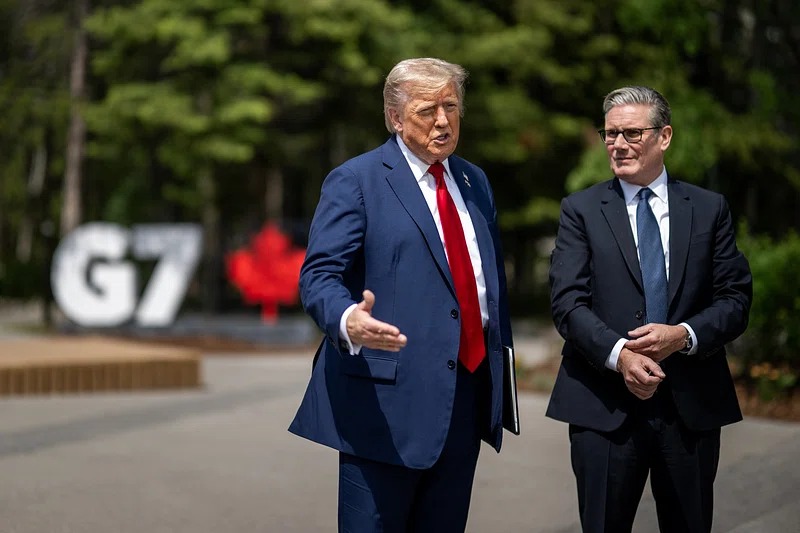
The military operations against Iran generated enormous coverage, but it was the diplomatic battle — fought in social media posts, conference speeches, and carefully worded government statements — that may prove to have more lasting consequences. The words exchanged between Washington and London during the crisis will be replayed and analysed long after the military operations have faded from memory.
The president’s post was the opening salvo: pointed, personal, and deliberately designed to generate impact. The reference to Britain as a “once Great Ally,” the dismissal of carrier deployments, and the warning that delays would be remembered were phrases chosen for maximum rhetorical effect. They achieved it.
The secretary of state’s remarks at the Miami conference were more diplomatic in tone but equally pointed in substance. The distinction he drew between allies who showed up and those who did not was a public categorisation with real implications — one that placed Britain, at least temporarily, in the wrong category.
Britain’s response — measured, defensive, emphasising the contribution made and the lives potentially saved — was the kind of reply that responsible governments make when under public pressure from more powerful allies. It was careful without being compelling, sufficient without being satisfying.
The diplomatic battle, in short, was one that Britain did not win. Whether that mattered in the long run — whether the episode would be absorbed into the broader narrative of a durable relationship, or whether it marked a genuine shift — was the question that the weeks and months ahead would begin to answer.