
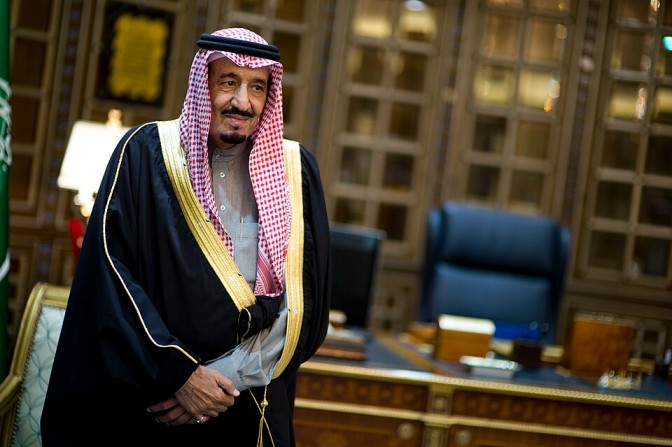
In a recent session held in Jeddah, the Saudi Arabian Cabinet, under the leadership of King Salman bin Abdulaziz Al Saud, reiterated its dedication to fostering regional security and stability, as well as contributing to international humanitarian initiatives. The meeting provided a platform for the ministers to assess significant developments on both regional and global fronts. They were also updated on the latest communications involving Crown Prince Mohammed bin Salman, including his interactions with Bahrain’s King Hamad bin Isa Al Khalifa and Pakistan’s Prime Minister Shehbaz Sharif. Additionally, a message from Ramzan Kadyrov was acknowledged during the session.
The Cabinet approved a series of international and domestic agreements that underline Saudi Arabia’s commitment to enhancing its global partnerships. Among these was a memorandum of understanding with the United States, specifically designed to bolster cooperation in the realms of education and training. Furthermore, the ministers sanctioned an air transport services agreement with Pakistan, aimed at strengthening aviation ties between the two nations, signaling a move to fortify bilateral relations.
In addition to international agreements, the Cabinet took significant steps to refine its domestic policies. It adopted new executive regulations concerning real estate ownership by non-Saudis, introducing updated guidelines for foreign property ownership within the Kingdom. This move is part of Saudi Arabia’s broader initiative to modernize its regulatory environment and attract more foreign investment.
The decisions taken during this Cabinet session reflect Saudi Arabia’s ongoing efforts to broaden its international alliances, enhance economic cooperation, and update its regulatory frameworks. By approving these agreements and regulations, the Kingdom aims to position itself as a more inviting environment for foreign cooperation and investment, thereby contributing to its long-term economic and strategic objectives.