
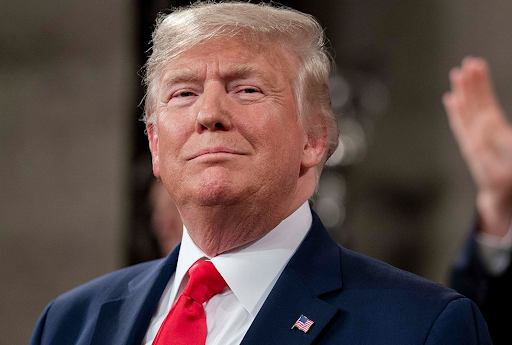
As the Nobel Peace Prize has evolved, a new, informal litmus test has emerged for candidates, especially world leaders: their stance on climate change. This has become a proxy for their commitment to global cooperation and future generations. On this most modern of Nobel standards, Donald Trump’s record is not just a failure; it’s a defiant rejection, making his candidacy a non-starter for many observers.
The basis of Trump’s nomination is the Abraham Accords, a traditional diplomatic achievement. However, the Nobel Committee’s definition of what threatens peace has expanded beyond borders and battlefields to include existential threats like environmental collapse. The 2007 prize to Al Gore and the IPCC cemented this view, framing climate action as essential peace work.
Trump’s presidency was defined by a direct challenge to this consensus. His most significant act on this front was withdrawing the United States from the Paris Agreement, the landmark global accord to combat climate change. This was not merely a policy disagreement; it was a renunciation of the multilateral framework for addressing the planet’s most pressing long-term challenge.
Historian Theo Zenou was blunt in his assessment, saying he could not imagine the committee awarding its prize to someone who “does not believe in climate change.” This reflects a belief that a leader who ignores or denies a scientifically established threat to global stability cannot be considered a true peacemaker.
For the committee, a candidate’s record on climate is a window into their broader worldview. Do they believe in shared responsibility? Do they respect scientific evidence? Are they committed to protecting the future? Because Trump’s record provides a negative answer to these questions, he fails the climate litmus test, a standard that is only growing in importance in the Nobel’s deliberations.