
The decision by Western allies to lower the price cap on Russian oil is not just a sanction; it’s a move that is actively reshaping the global energy market. This economic maneuver forms a critical backdrop to the political negotiations set to take place between Trump and Putin.
By setting the cap at a low $47.60 per barrel, the G7 and EU are creating a two-tiered market for crude oil. Compliant buyers can get Russian oil at a discount, while Russia is forced to sell at a reduced profit. This is intended to keep Russian oil flowing to avoid a global supply shock, while simultaneously defunding the Kremlin.
This has major implications for energy-importing nations. Countries like India now face a choice: abide by the cap and its associated Western services (like insurance and shipping), or go outside the system and face punitive measures like the 25% tariff imposed by the U.S.
This “energy front” is a key battlefield in the broader conflict. The success or failure of the price cap mechanism to starve Russia of revenue will directly impact Putin’s ability to sustain the war, making it a crucial element of leverage for President Trump as he heads to the negotiating table in Alaska.
The Energy Front: How the Oil Price Cap is Reshaping the Global Market
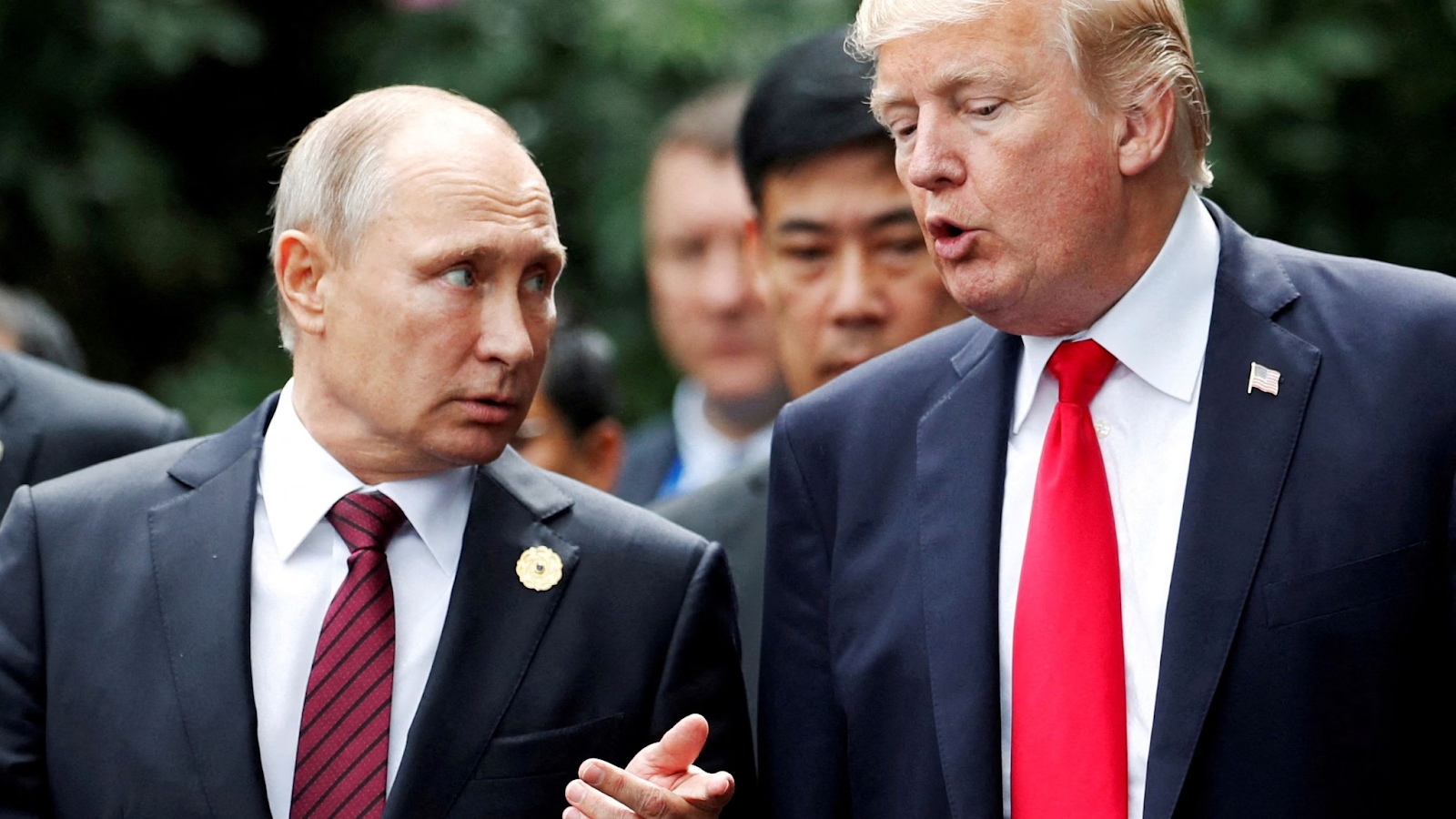
Picture Credit: www.heute.at
192