
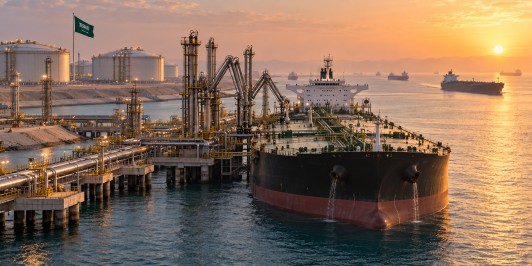
Saudi Arabia has made significant strides in addressing potential oil supply shortages in Asia by selling nearly 100 million barrels of crude oil to buyers across the region. This development comes amid heightened concerns over supply constraints and rising oil prices faced by Asian refiners.
The transactions, which have been taking place since the middle of last week, are for deliveries scheduled in October and November. The oil will primarily be transported through the strategically important Strait of Hormuz. Among the buyers are major refiners in China, India, Japan, and South Korea, countries that have been grappling with tighter supplies due to disruptions in Iranian oil flows and a reduction in purchases of Russian crude linked to geopolitical tensions.
These sales are particularly timely as Saudi Arabia has had to increase its reliance on the Strait of Hormuz following a recent attack on its East-West oil pipeline on September 10. The pipeline, which serves as an alternative route to the Red Sea, sustained damage and is currently in the process of being gradually restarted to restore its capacity.
The Saudi shipments are crucial for nations like China and India, where refiners have been contemplating production cuts in response to escalating crude prices and limited supply options. The current market conditions have intensified global competition for crude oil, with producers from Africa and Latin America also vying for market share.
In light of these challenges, Gulf producers, including Saudi Arabia, are increasingly taking on greater responsibilities related to transportation and logistics. This shift is occurring as international buyers exercise caution in managing their shipping through regions affected by security risks.
The additional oil supplies from Saudi Arabia provide some relief to Asian refiners as they navigate a complex landscape of global market tightness and ongoing disruptions to key oil supply routes. This move underscores Saudi Arabia’s pivotal role in stabilizing oil markets, particularly in times of geopolitical unrest and supply chain challenges.