
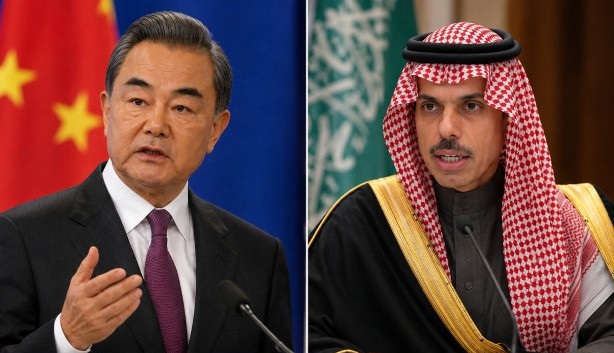
In an appeal for continued diplomacy, China has urged the United States and Iran to persist in their negotiations and avoid exacerbating the already tense regional situation. Chinese Foreign Minister Wang Yi emphasized that dialogue remains the most effective means of resolving conflicts in the region. He pointed out that the ongoing ceasefire is precarious and underscored Beijing’s willingness to work with Saudi Arabia to diminish tensions and promote long-term stability.
Wang Yi’s recent discussions with Saudi Foreign Minister Prince Faisal bin Farhan in Beijing underscored the strategic necessity of keeping the Strait of Hormuz open. This crucial waterway is pivotal to global energy supplies as a substantial portion of the world’s oil and gas is transported through it. Recent disruptions to shipping activities have made the reopening of the strait a focal point in the ongoing dialogue between Iran and the United States.
China, heavily reliant on energy imports from the Gulf, has consistently advocated for peaceful conflict resolution in the region. The meeting in Beijing saw Chinese and Saudi officials reiterate their commitment to maintaining the Strait of Hormuz as a secure and open channel for international trade, which is vital for the energy needs of many countries.
Beyond security concerns, the talks also explored avenues to bolster China-Saudi collaboration across various sectors, such as trade, investment, energy, and technology. The two nations aim to enhance their cooperation in supply chains and further their efforts to improve overall regional security. This multifaceted approach reflects a broader strategy to strengthen bilateral ties while addressing the complex challenges facing the Middle East.